Adelphi alumni explain what it takes to work at Google and what makes the job so coveted.
 Stephen Bloch, Ph.D., first applied to work at Google in 2005 when he heard that the company was opening an office in New York City鈥攊ts first outside of its Mountain View, California, headquarters. An associate professor of at the time, he applied on a whim and landed an interview, but not a job.
Google, though, held on to his r茅sum茅 and a few years later invited him to interview again. 鈥淚 spent six hours with techies answering technical questions,鈥� Dr. Bloch said. But the phone call that came two weeks later was a polite rejection.
Last year it happened all over again. Google invited him back. He recalled his reaction: 鈥淚鈥檓 just going to have a fun day solving other people鈥檚 problems.鈥� Two weeks later, on his 50th birthday, Google made an offer.
Today Dr. Bloch is a software engineer at Google鈥檚 New York office. As Google has grown, so too has its New York outpost. About 3,000 鈥淕ooglers鈥� work in a hulking building in Manhattan鈥檚 hip Chelsea neighborhood. (Some Googlers even use scooters to traverse the massive space.) With Dr. Bloch are at least three Adelphi alumni鈥擩oseph DiLallo 鈥�08, Anastassia Drofa 鈥�05 and Nick Miceli 鈥�12.
Despite its growth, Google remains highly selective in its hiring. Last year, it reported hiring about 0.2 percent of its three million or so applicants.
What does it take to become a Googler, and what is it like to be one? Dr. Bloch and the three Adelphi alumni shared their insights with AU VU.
Want to be a Googler? Take these steps.
Google wants people, particularly software engineers and designers, who can not only solve problems, but who also thrive on doing so.
Despite what you may have heard, interviewees are not鈥攐r at least no longer鈥攆ed brain teasers (how to escape from a blender if you鈥檙e the height of a nickel, etc.). Instead, said the Adelphi Googlers, you鈥檒l be tested with problems relevant to your area of expertise.
鈥淵ou鈥檙e interviewed by people who have the position you want to go for,鈥� said Nick Miceli 鈥�12, a software engineer. 鈥淵ou鈥檙e being asked questions exactly relevant to what you would do here.鈥� Not that the questions are easy.
鈥淏y the end of the day, your brains are leaking out your ears, but it鈥檚 fun,鈥� Dr. Bloch said.
Miceli, who鈥攍ike Anastassia Drofa 鈥�05 and Joseph DiLallo 鈥�08鈥攈as interviewed numerous aspiring Googlers, offered this guidance, especially for current college students: Go beyond your books and class assignments and try your hand at solving real problems鈥� create an app or game, get a job or an internship, contribute to open source code.
Drofa said she looks for passion in potential colleagues. She listens for clues as to how enthusiastic people are for problem-solving work and why they are excited about being at Google. 鈥淎 common feature that everyone shares here is being super, super passionate all the time,鈥� she said.
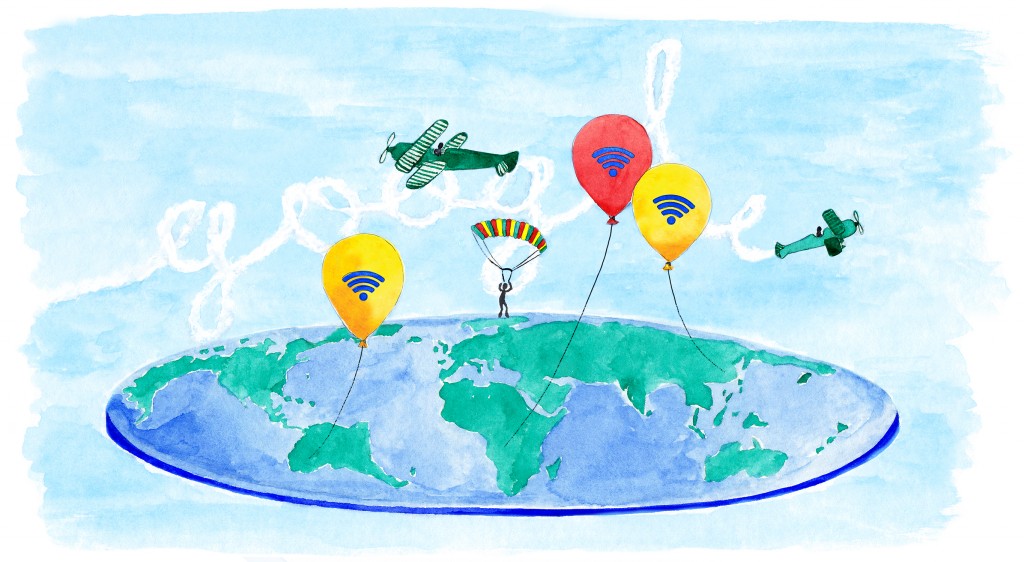
鈥淭his is a company full of problem solvers,鈥� Dr. Bloch said. Take, for instance, Google鈥檚 Project Loon, an initiative to bring the Internet to remote parts of the globe using weather balloons.
As a senior user experience researcher, Drofa works with software engineers to ensure that the products they dream up are 鈥渦sable, useful and desirable鈥� to people. She summed up Google鈥檚 culture as 鈥渁nything is possible.鈥� 鈥淵our expectations rise really, really high as a result,鈥� she said.
Dr. Bloch鈥檚 three interviews are a case in point. DiLallo interviewed twice before getting hired as a Google software engineer.
Googlers are expected to adapt quickly to new situations and ideas. 鈥淲e iterate, we amend, we try again, we do,鈥� Miceli said of the Google development process. Google is constantly reinventing and refining its own code. Miceli noted that 鈥減robably over fifty percent of the code I鈥檝e written is no longer in use.鈥�
鈥淵ou have to be willing to throw something away,鈥� Dr. Bloch said. He said there are even competitions within teams to delete the most lines of old code.
DiLallo said that interviewers look for people who can take feedback and input from colleagues. Interviewers commonly point out mistakes that candidates make. 鈥淪ome people get very offended and very defensive and then that鈥檚 a very bad sign, especially here where that will happen to you all the time,鈥� DiLallo said.
鈥淕oogle is a very collaborative place; you never work on anything by yourself,鈥� DiLallo said. 鈥淧eople always review your code. It鈥檚 part of Google鈥檚 policies.鈥�
DiLallo explained: 鈥淣obody knows everything. Our field is so expansive. I learn things from my peers, and, thankfully every so often I teach things to my peers.鈥�
鈥淵ou do rely on each other a lot,鈥� Drofa said of Google鈥檚 team-based environment.
Rubbing elbows with senior management is par for the course. Google co-founder Sergey Bryn regularly holds fireside chats with employees. Miceli even described teaching an Android coding class to Craig Nevill-Manning, the engineer who started Google鈥檚 New York office. 鈥淗e was so cool,鈥� said Miceli.
DiLallo summed it up this way: 鈥淎t my previous job, knowledge was power and so people hoarded what they knew and were very hesitant to teach anybody anything鈥� Google is the absolute opposite, where it鈥檚 like, 鈥業f I teach you how to do this, then I don鈥檛 have to do it anymore.鈥� And everyone wants to go work on the next cool idea.鈥�
For further information, please contact:
Todd Wilson
Strategic Communications Director听
p 鈥� 516.237.8634
e 鈥� twilson@adelphi.edu